
The 'time since vasectomy' curve: What it actually means for reversal
One of the most common questions men ask when considering a vasectomy reversal is whether the number of years since their vasectomy affects the procedure. It’s normal to wonder if it’s “too late,” especially if the vasectomy was performed a long time ago.
This overview explains what the time since vasectomy actually means, how it may influence the vasectomy reversal procedure, and what happens inside the body as time passes.
Why time matters - and why it is often misunderstood
Many people assume that a vasectomy reversal becomes impossible after a certain number of years, or that the body “shuts down” sperm production. Neither is accurate.
What time since vasectomy actually influences:
- the condition of the vas deferens
- the presence or absence of blockages
- the type of reconnection needed
- how the epididymis adapts after vasectomy
- your testes do not stop producing sperm
- your fertility does not reset to zero
- it is not automatically “too late” at any year mark
These myths can cause unnecessary worry. The reality is more nuanced.
Understanding the “time curve” starts with knowing what actually changes after a vasectomy.
- Sperm production continues
The testes continue making sperm at the same rate. The sperm simply can’t travel past the vasectomy site.
- Pressure builds behind the vasectomy site
Over time, back-pressure may lead to:
- stretching of the epididymal tubules
- microscopic ruptures
- scarring or blockages near the epididymis
These changes are a normal biological response.
- The epididymis may develop a deeper blockage
This is why some men (especially after many years) require a more complex bypass procedure called a vasoepididymostomy instead of a standard vasovasostomy.
This is the true meaning of the “time curve.”
What happens inside the body after a vasectomy?
Understanding the “time curve” starts with knowing what actually changes after a vasectomy.
1. Sperm production continues
The testes continue making sperm at the same rate. The sperm simply can’t travel past the vasectomy site.
2. Pressure builds behind the vasectomy site
Over time, back-pressure may lead to:
- stretching of the epididymal tubules
- microscopic ruptures
- scarring or blockages near the epididymis
These changes are a normal biological response.
3. The epididymis may develop a deeper blockage
This is why some men (especially after many years) require a more complex bypass procedure called a vasoepididymostomy instead of a standard vasovasostomy.
This is the true meaning of the “time curve.”

The 'time since vasectomy' cuve explained
The “curve” describes how the body’s internal landscape may gradually change over time.
0–5 years after vasectomy
- The vas deferens is usually the only point of interruption
- A standard reconnection (vasovasostomy) is often suitable
- The epididymis is less likely to have developed secondary blockages
5–10 years after vasectomy
- Some internal pressure changes may occur
- Surgical assessment becomes more important
- Either reconnection method may be required
10–20+ years after vasectomy
- The body has had longer to adapt to the blockage
- The epididymis may be more likely to require a bypass connection
- Men are often surprised that sperm production is still active decades later
The key message:
Time changes the type of surgery required — not whether a reversal is possible.
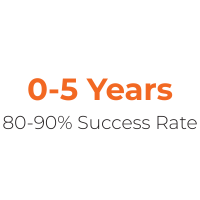
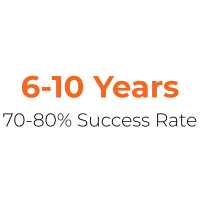
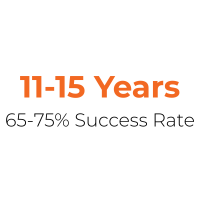
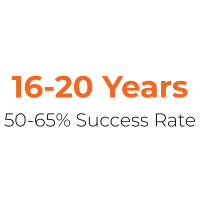
Years since vasectomy vs success rate
Following over 50 years of pioneered and perfected microsurgery, by Professor Earl Owen, the published success rates of the Owen 3-layer Vasectomy reversals are as follows:
How Doctors assess the impact of time
During a vasectomy reversal, the doctor examines the fluid from the testicular end of the vas deferens.
What this can show:
- clear fluid containing sperm
- fluid containing sperm parts
- thicker or pasty fluid
- no sperm present
These findings — not just the time since vasectomy — guide which type of reconnection is appropriate.
This is why some men who had a vasectomy 15–20+ years ago still have favourable intraoperative findings, while some men at 5–8 years may require a bypass.
Other factors beyond time that matter
Although time is important, it’s only one part of the equation. Other influential considerations include:
- any previous scrotal or pelvic surgery
- whether there was post-vasectomy pain or congestion
- age-related reproductive health changes
- general hormone patterns
- healing and recovery patterns
- surgical findings on the day of the procedure
This is why a personalised consultation is essential
Why it's never "too late" to ask questions
Men are often hesitant to explore reversal years or decades after their vasectomy. Many assume their age, relationship changes, or time elapsed automatically rule out the option.
In reality:
- vasectomy reversals can be performed many years later
- sperm production does not stop
- the body remains capable of reconnection
- your surgeon can assess what approach is best for you
Your personal timeline, goals, and circumstances matter more than the number of years that have passed.
What to expect at a Vasectomy reversal consultation
During your consultation at Metrocentre’s Gold Coast or Brisbane clinic, you’ll discuss:
- your vasectomy history
- how long it has been since your vasectomy
- what time may mean for your procedure
- the possible reconnection methods
- recovery expectations
- personalised considerations for your circumstances
You’ll also receive an educational video and questionnaire before your appointment to help prepare.
At Metrocentre, your consultation (Brisbane or Gold Coast) helps you understand how your timeline, medical history and surgical findings guide the recommended approach.